
Paraplegia Injury Lawyer
in California
Paraplegia Injury Lawyer
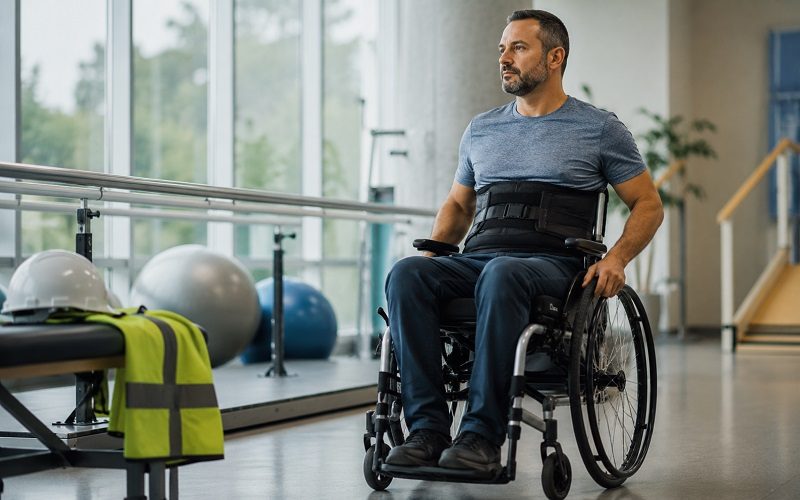
Paraplegia can follow a serious spinal cord injury and affect movement, sensation, mobility, and a worker’s ability to return to the job held before the accident. MedlinePlus defines paraplegia as paralysis affecting the lower half of the body, including both legs. Spinal cord injuries may cause temporary or permanent changes in movement, strength, sensation, and other body functions below the level of injury.
When paralysis results from a workplace accident, a Paraplegia Injury Lawyer can review how the injury happened, what treatment is required, how the condition affects employment, and whether the workers’ compensation carrier is providing the benefits supported by the medical evidence.
California Workers Comp Law Firm handles serious workplace injury claims involving spinal trauma, paralysis, permanent disability, disputed treatment, and denied benefits.
A Spinal Cord Injury Can Change Everyday Function
The spinal cord carries signals between the brain and the rest of the body. Damage to the cord can interfere with movement and sensation below the injured area. The extent of impairment depends on the location and severity of the injury, and spinal cord injuries can be complete or incomplete.
A worker with paraplegia may experience loss of movement or sensation in the legs as well as other complications associated with spinal cord damage. The medical impact can extend beyond the initial hospitalization and may involve rehabilitation, continued specialist care, mobility assistance, and long-term monitoring.
A Spinal Cord Injury Lawyer can examine whether the workers’ compensation claim reflects the full extent of the injury rather than treating the case as a short-term back injury.
When an injury produces severe and lasting limitations, the medical and disability issues may overlap with those involved in a catastrophic workplace injury.
Falls, Vehicles, and Machinery Can Cause Spinal Trauma
A spinal cord injury can result from a fall, vehicle collision, crushing incident, impact from heavy material, or another traumatic workplace accident. MedlinePlus identifies falls, vehicle accidents, fractures, electrical injuries, and severe trauma among causes of spinal cord injury.
Construction employees may be injured after falling from an elevated surface or being struck by building materials. Those incidents can involve the same factual questions found in a construction injury claim, including where the accident occurred, what task the worker was performing, and what happened immediately before the injury.
Industrial workers can suffer spinal trauma when machinery unexpectedly moves or a worker becomes trapped or crushed. When equipment failure contributes to the accident, the circumstances surrounding defective workplace equipment may help explain how the injury occurred.
Forklifts and other powered industrial vehicles create another source of serious workplace trauma. A collision, overturn, or struck-by event may result in injuries similar to those involved in a forklift workplace accident.
A Paraplegic Injury Lawyer can review accident reports, witness accounts, photographs, medical records, and other evidence showing how the spinal injury occurred.
Early Medical Records Help Define the Injury
The first medical records after a serious accident can become important throughout the workers’ compensation claim. They should identify the mechanism of injury, neurological symptoms, affected body areas, diagnostic findings, and treatment provided.
Spinal cord injuries may require imaging, surgery, rehabilitation, medication, and other care depending on the level and severity of the damage. MedlinePlus notes that rehabilitation therapy and assistive devices may become part of treatment after spinal cord injury.
A Paraplegia Injury Lawyer can review whether medical reports accurately describe the employee’s limitations and whether recommended treatment is being addressed through the workers’ compensation system.
A Spinal Cord Injury Attorney may also review disagreements involving the treating physician, qualified medical evaluator, permanent impairment, or future treatment needs.
Reporting the Accident Starts the Claim
California DWC advises injured workers to report a workplace injury to the employer as soon as possible. DWC states that failing to report an injury within 30 days can place workers’ compensation benefits at risk.
After the employer learns about the injury, it must provide or mail a DWC-1 claim form within one working day. Once the employee files the form, appropriate medical treatment must be authorized within one working day while the carrier investigates the claim. Up to $10,000 in treatment may be provided during the investigation period before the claim is accepted or denied.
For a serious spinal injury, the accident should be described accurately from the beginning. The report should identify where the incident happened, what caused the trauma, and which symptoms appeared afterward.
These requirements apply within the broader California workplace injury claim process.
Treatment Can Continue Long After the Accident
California workers’ compensation requires claims administrators to authorize and pay for medical care reasonably required to cure or relieve the effects of a work injury, subject to the state’s medical treatment guidelines and utilization review process.
For a worker with paraplegia, medical needs may extend well beyond emergency treatment. The individual medical plan may involve specialists, rehabilitation, medications, follow-up examinations, and other medically necessary care based on the nature of the spinal cord damage.
A Paralysis Injury Lawyer can review treatment disputes when the claims administrator delays or denies care recommended by the treating physician.
A Paraplegic Workers’ Compensation Lawyer may also examine whether medical evaluations accurately account for continuing limitations rather than focusing only on whether the initial spinal injury has stabilized.
Disability Benefits Depend on the Lasting Impairment
California workers’ compensation provides several basic benefits for accepted injuries. These include medical care, temporary disability when an injury causes qualifying wage loss during recovery, permanent disability when an employee does not recover completely, and supplemental job displacement benefits in qualifying cases.
Temporary disability may apply while an employee cannot perform the usual job during recovery. California DWC states that temporary disability generally pays two-thirds of lost gross wages, subject to statutory limits.
Permanent disability becomes especially important when paralysis leaves lasting impairment. DWC explains that permanent disability ratings consider medical impairment along with factors including occupation and age. The existence of paraplegia therefore does not, by itself, establish a particular permanent disability percentage; the rating must be determined under California workers’ compensation rules.
A Paraplegia Injury Lawyer can review permanent disability reports, impairment findings, work restrictions, and disputes over the rating.
Workers’ Compensation for Spinal Cord Injuries can involve substantial medical and disability issues because the effects of the injury may continue long after the original workplace accident.
Returning to Work May Require Major Changes
A worker with paraplegia may be unable to return to duties involving climbing, prolonged standing, heavy lifting, operating certain machinery, or moving through worksites that cannot be safely accessed within the worker’s restrictions.
Return-to-work decisions should be based on medical findings and the actual physical demands of the employee’s job. The treating physician should identify what activities the worker can safely perform and whether restrictions are temporary or permanent.
A California Spinal Cord Injury Lawyer can review disputes involving modified work, permanent restrictions, and the relationship between the medical limitations and the duties offered by the employer.
When an employee cannot return to the prior position, other workers’ compensation benefits may also become relevant depending on the circumstances of the claim.
Earlier Back Problems Do Not Explain Every New Injury
Some workers have pre-existing back pain, disc degeneration, prior surgery, or another spinal condition before a serious workplace accident.
An earlier medical problem does not automatically establish that the worker’s current paralysis or disability resulted from the prior condition. The medical evaluator must examine the employee’s condition before the accident, the new trauma, diagnostic findings, and what changed afterward.
For example, a worker may have had occasional back pain but continued performing full-duty work. A later fall that causes spinal cord damage and loss of movement presents a significantly different medical history that must be evaluated on its own facts.
A Paraplegia Lawyer can review whether earlier medical records are being used appropriately when the insurance carrier disputes causation or permanent disability.
Serious Claims Can Lead to Treatment and Disability Disputes

Even a severe spinal injury can produce disagreements with the workers’ compensation carrier. The insurer may dispute whether all medical conditions resulted from the accident, whether particular treatment is medically necessary, the extent of permanent disability, or the worker’s ability to return to employment.
DWC explains that disagreements over medical findings can involve a qualified medical evaluator, or an agreed medical evaluator when the worker is represented and the parties agree on a physician.
If a claim is denied, the employee has the right to challenge that decision through California’s workers’ compensation system. A disputed case may ultimately be heard by a workers’ compensation administrative law judge.
A Paraplegia Injury Lawyer may review the denial notice, medical reports, accident evidence, work restrictions, and benefit history to identify the issue driving the dispute.
A California Paralysis Injury Attorney can also examine whether the medical record adequately addresses long-term impairment and future treatment.
Speak With a Paraplegia Injury Lawyer
A workplace spinal cord injury resulting in paraplegia can affect mobility, employment, medical needs, and long-term independence. The workers’ compensation claim should accurately reflect both the original accident and the continuing consequences of the injury.
California Workers Comp Law Firm handles serious workplace injury matters involving spinal cord damage, paralysis, catastrophic injuries, permanent disability, medical treatment disputes, and denied workers’ compensation benefits.
Attorney Mak can review the accident, medical records, work restrictions, permanent disability issues, treatment history, and concerns raised by the claims administrator.
Important Resources
- MedlinePlus explains paraplegia, paralysis, and how spinal cord damage can affect movement and sensation. Paralysis and Paraplegia Information
- The National Institute of Neurological Disorders and Stroke explains how spinal cord injuries can affect movement, sensation, strength, and bodily functions below the injury level. NINDS Spinal Cord Injury Guide
- California DWC explains medical treatment available for work-related injuries under the workers’ compensation system. DWC Medical Care Guidance
- DWC explains temporary disability, permanent disability, medical care, and other benefits available after an accepted claim. DWC Accepted Claim Guidance
- DWC explains how an injured employee files a claim and receives medical treatment while the claim is being investigated. How to File a Workers’ Compensation Claim
Reviewed by Attorney Mak
Workers’ Compensation Attorney
Attorney Mak assists injured workers with California workers’ compensation claims involving spinal cord injuries, paralysis, catastrophic workplace accidents, permanent disability, disputed medical treatment, and denied benefits.
Get A Free Consltation
Fill out the form below and one of our injury specialists will contact you shortly

