
Union Worker Representation
Lawyer in California
Union Worker Representation Lawyer

Union employees work across construction, manufacturing, transportation, healthcare, public safety, maintenance, and many other physically demanding industries. A workplace accident can create questions about medical treatment and wage loss while also affecting seniority, modified work, contractual benefits, or other matters addressed through a collective bargaining agreement.
A Union Worker Representation Lawyer can focus on the workers’ compensation issues arising from the injury while considering how the employee’s unionized workplace affects the claim process. California Workers Comp Law Firm represents California employees facing disputed injuries, delayed treatment, disability issues, and disagreements over returning to work.
Union Membership Does Not Replace a Workers’ Compensation Claim
A union can be an important source of support after a workplace injury, but the workers’ compensation claim remains a separate legal matter. California’s workers’ compensation system determines issues such as medical treatment, temporary disability, permanent disability, and disputes over whether an injury arose from employment.
The union may help an injured employee understand workplace procedures, communicate about job assignments, identify benefits available under a collective bargaining agreement, or provide information about legal resources. The workers’ compensation case, however, depends on the injury report, medical evidence, employment facts, and applicable California law.
This distinction becomes important when an employer describes an issue as a union matter even though it also affects workers’ compensation benefits. A Union Workers’ Rights Lawyer reviewing the work-injury side of the dispute should identify which questions belong in the workers’ compensation system and which may require separate review under a contract or other employment law.
Collective Bargaining Agreements Can Affect the Claim Process
Some unionized California workplaces operate under approved labor-management workers’ compensation programs commonly known as carve-outs. These arrangements can establish alternative procedures for delivering benefits and resolving certain workers’ compensation disputes through a collective bargaining agreement. Not every union employee works under a carve-out program.
The first task is therefore to determine which claim process actually applies. The employee’s union, employer, bargaining agreement, and industry may all matter.
A Union Worker Representation Lawyer can review whether the employee proceeds through the ordinary California workers’ compensation system or whether an approved alternative dispute-resolution process applies. This can prevent a worker from relying on the wrong deadlines, forms, or dispute procedure.
Construction workers are particularly likely to encounter physically demanding duties and organized labor arrangements. Employees injured while lifting materials, operating tools, working from heights, or performing other trade work may also need guidance concerning a construction injury claim.
The Injury Record Must Describe the Real Job
A job title rarely explains the full physical demands of union work. An electrician may climb ladders and pull cable. A warehouse employee may move freight throughout a shift. A nurse may lift or reposition patients. A machine operator may perform hundreds of repetitive movements.
Medical providers need this level of detail when evaluating whether employment caused or aggravated an injury.
Unionized manufacturing employees who operate machinery, handle materials, or perform repetitive production tasks may experience injuries similar to those addressed in factory work injury claims. Healthcare employees can face lifting, needle, slip-and-fall, and patient-handling hazards discussed in healthcare worker injury claims.
California Labor Code §3208.1 recognizes both specific injuries caused by one incident or exposure and cumulative injuries resulting from repetitive traumatic activities over time. A claim should therefore reflect whether the condition followed a particular accident or developed through repeated job duties.
Medical Treatment Depends on Evidence, Not Union Status
California Labor Code §4600 requires employers to provide medical treatment reasonably necessary to cure or relieve the effects of a compensable workplace injury. Union membership does not eliminate the need for medical evidence supporting the diagnosis, treatment, and relationship to employment.
Depending on the injury, treatment may include diagnostic testing, medication, physical therapy, specialist evaluation, injections, surgery, or other appropriate care.
Problems can develop when the claims administrator disputes a procedure, questions whether a body part belongs in the claim, or argues that continued treatment is unrelated to the workplace event.
The treating physician should understand what happened, what duties the employee performed, which body parts were affected, and how the condition limits the employee’s ability to work. Medical reports become particularly important when the worker has several injuries or continues working while symptoms worsen.
Work Restrictions Can Conflict With Contractual Job Duties
A doctor may restrict lifting, bending, climbing, prolonged standing, repetitive hand use, driving, or other activities. Those limitations need to be compared with the employee’s actual position rather than only the job title.
Union workplaces may have defined classifications, bidding procedures, seniority rules, or contractual requirements affecting assignments. Those issues can exist alongside the physician’s medical restrictions.
A firefighter, for example, may be medically unable to perform emergency response duties even if another temporary assignment is available. Workers dealing with public-safety injuries may encounter additional questions similar to those addressed in a firefighter injury claim.
The workers’ compensation analysis focuses on medical capacity and available work. Separate contractual questions may require coordination with the union or other appropriate counsel. A Union Workers’ Rights Lawyer should avoid treating every return-to-work disagreement as though it belongs in only one legal system.
A Pre-Existing Condition Does Not End the Investigation
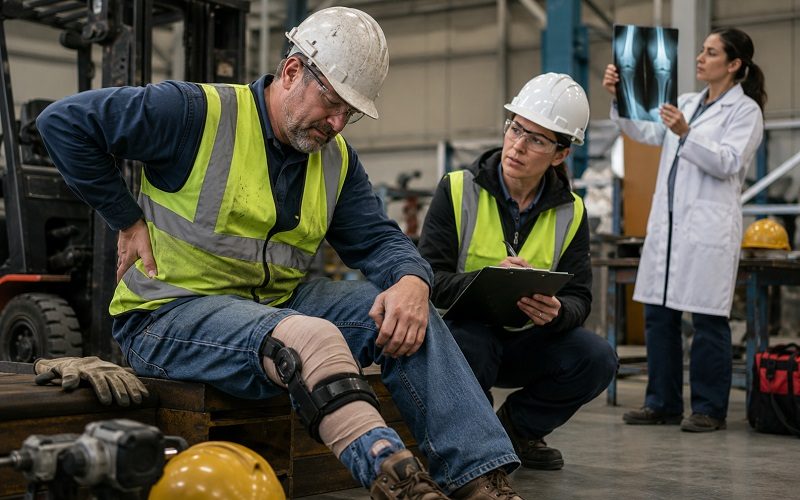
Union workers often perform physically demanding jobs for many years. An employee may already have arthritis, an old knee injury, prior back treatment, hearing loss, or another medical condition before a new workplace incident occurs.
An earlier diagnosis does not automatically establish the cause of current disability or treatment needs.
Medical evaluators may need to compare the worker’s condition and ability to perform the job before the new incident with what changed afterward. Evidence involving an aggravation of a pre-existing condition may include prior medical records, new imaging, increased symptoms, new treatment, and additional work restrictions.
A complete occupational history can be particularly important for workers who spent years performing heavy or repetitive union work for several employers.
The Union and the Attorney Can Serve Different Roles
California’s injured-worker guidebook recognizes that a union may help an employee address workplace problems, understand additional benefits, negotiate job changes, protect against discrimination, or locate legal services.
A workers’ compensation attorney has a different role. The attorney can evaluate medical causation, disputed benefits, disability periods, medical evaluations, settlement issues, and proceedings before the Workers’ Compensation Appeals Board when the ordinary state system applies.
A Union Worker Representation Lawyer can also determine whether documents from the union relationship are relevant to the compensation case. Job classifications, written assignments, collective bargaining provisions, grievance records, correspondence about modified work, and seniority information can sometimes provide useful context.
Workers should preserve these documents rather than assuming the employer, union, or claims administrator will maintain everything needed for the injury claim.
Retaliation After a Work Injury Requires Separate Attention
An employee may worry about losing shifts, being removed from an assignment, receiving discipline, or facing termination after reporting an injury.
California DWC explains that Labor Code §132a prohibits discrimination based on requesting workers’ compensation benefits or having a work-related disability. A Section 132a claim has specific procedural requirements and should not be confused automatically with a union grievance or other employment discrimination claim.
The reason for an employer’s decision, the timing, medical restrictions, collective bargaining terms, and communications between the parties may all require review.
A worker should preserve disciplinary notices, emails, text messages, job offers, medical restrictions, grievance documents, and records showing changes in assignments or employment status.
Disputed Claims May Follow Different Paths
An insurance carrier may dispute whether an accident happened at work, whether repetitive duties caused the condition, whether treatment is necessary, or how much disability resulted.
In a standard claim, disputes may proceed through California’s workers’ compensation system and the WCAB. In an approved labor-management carve-out, alternative procedures established by the program may apply to certain disputes.
A Union Worker Representation Lawyer can identify the applicable process, review medical reports and workplace evidence, and determine what information is missing before the dispute progresses.
This review may include accident reports, witness statements, job descriptions, treatment records, work-status reports, collective bargaining documents, and communications from the employer, union, or claims administrator.
Preserve Both the Injury File and Union Records
Report a workplace injury promptly and retain a copy of the DWC-1 claim form when the ordinary state process applies. Keep medical reports, work restrictions, photographs, witness information, benefit notices, and correspondence concerning the claim.
Union employees should also preserve relevant job-bid documents, classification descriptions, modified-duty communications, grievance records, benefit information, and collective bargaining provisions that may affect the employment circumstances surrounding the injury.
Keeping both sets of records makes it easier to separate the workers’ compensation issues from contractual or workplace disputes.
Talk With a Union Worker Representation Lawyer
A union employee may have support through a labor organization while still needing separate legal representation for a disputed workers’ compensation claim. The correct approach depends on the injury, medical evidence, employment arrangement, collective bargaining agreement, and claims process that applies.
A Union Worker Representation Lawyer can review the work injury, medical treatment, disability issues, return-to-work restrictions, and any approved alternative workers’ compensation procedure affecting the employee.
California Workers Comp Law Firm assists California workers with job-related injuries, disputed medical care, denied benefits, and other workers’ compensation matters. Contact the firm to request a case evaluation and discuss how your unionized employment may affect the handling of your work injury claim.
Important Resources
- California recognizes both specific injuries and cumulative injuries caused by repetitive workplace activities. California Labor Code §3208.1
- Employers must provide medical treatment reasonably necessary to cure or relieve the effects of a compensable work injury. California Labor Code §4600
- California DWC explains reporting injuries, medical care, disability benefits, and workers’ compensation disputes. DWC Injured Worker Guidance
- California DWC provides guidance concerning medical restrictions and returning to work after an occupational injury. DWC Return-to-Work Guidance
- California’s injured-worker guidebook explains the roles of attorneys, unions, treating physicians, and other sources of assistance. Workers’ Compensation in California: A Guidebook for Injured Workers
Reviewed by Attorney Mak
Workers’ Compensation Attorney
Attorney Mak reviews workers’ compensation content for California Workers Comp Law Firm. The firm assists California employees with union workplace injuries, denied benefits, medical disputes, work restrictions, and other workers’ compensation matters.
Get A Free Consltation
Fill out the form below and one of our injury specialists will contact you shortly

