
Ironworker Injury Lawyer in California
Ironworker Injury Attorney
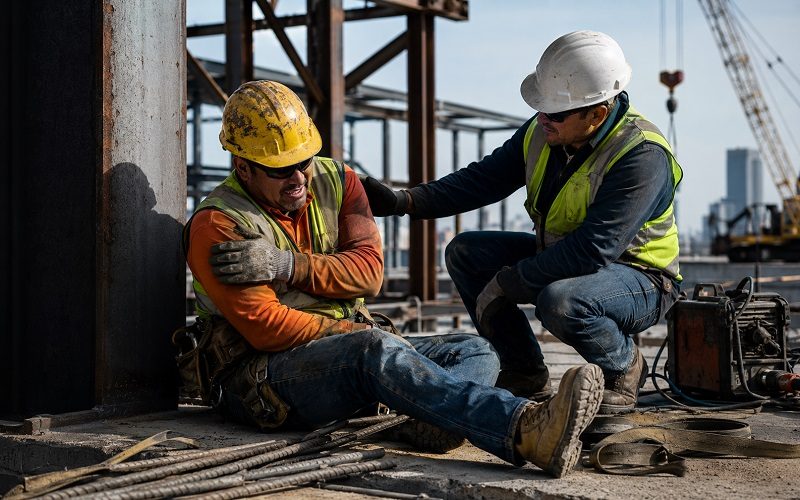
Ironworkers build and repair the structural framework used in buildings, bridges, and other projects. Their work can involve elevated areas, structural steel, welding, rigging, cranes, power tools, and heavy materials. When something goes wrong, the resulting injury can affect both a worker’s health and ability to return to physically demanding work.
An Ironworker Injury Lawyer can review how an accident happened, what the medical records show, and whether the workers’ compensation carrier is providing the benefits connected to the injury.
California Workers Comp Law Firm represents employees in workplace injury claims involving falls, construction accidents, equipment incidents, cumulative trauma, and disputes over medical treatment or disability benefits.
Ironwork Can Cause Serious Jobsite Injuries
Ironworkers regularly perform tasks such as connecting structural members, welding, bolting, rigging, moving materials, and working around steel erection operations. California safety regulations specifically address hazards associated with structural steel erection, including fall protection and falling objects.
An accident can happen while a worker is connecting steel, moving across a structure, unloading materials, operating equipment, or performing work near other trades.
Common injuries may involve the back, neck, shoulders, knees, hands, head, or multiple body parts at once. Some accidents also result in burns, electrical injuries, fractures, or other conditions that require extended treatment.
Workers injured during broader construction operations can also review our construction injury lawyer page.
Falls Can Leave Lasting Work Restrictions
Falls are especially serious in structural steel work because ironworkers may perform their duties above lower levels or around incomplete structures.
A worker who falls from a beam, platform, ladder, scaffold, or other elevated surface may suffer injuries affecting several areas of the body. Even when surgery is not immediately required, pain, weakness, numbness, reduced movement, or balance problems can make it difficult to return to regular ironwork.
An Ironworker Fall Injury Lawyer may review the accident report, witness information, medical findings, and work restrictions when the extent of a fall injury is disputed.
Back and spinal injuries are particularly important when a worker’s regular duties include climbing, lifting, carrying, bending, or working at height. Employees diagnosed with a damaged spinal disc can also review information about herniated disc workplace injuries.
Heavy Steel and Equipment Create Other Risks
Not every serious ironworker accident involves a fall. Structural steel, machinery, tools, and moving equipment can create additional hazards on an active jobsite.
A worker may be struck by material, pinned between objects, injured while moving heavy steel, or hurt when equipment fails during a task. Welding and electrical work can create different types of injuries, including burns or electrical trauma.
When defective machinery or equipment contributes to an accident, the circumstances surrounding the failure should be documented. Our defective equipment lawyer page discusses workplace claims involving damaged or unsafe equipment.
An Ironworker Accident Attorney can examine how the incident occurred and whether the workers’ compensation claim accurately includes all injuries caused by the accident.
Some Ironworker Injuries Develop Over Time
An ironworker does not need to experience one dramatic accident for a work-related medical condition to develop.
Repeated lifting, climbing, gripping, carrying, pulling, pushing, bending, and working in demanding positions can place stress on the body over time. California Labor Code Section 3208.1 recognizes both specific injuries caused by a particular incident and cumulative injuries caused by repetitive traumatic activities over a period of time.
For example, an employee may gradually develop shoulder, knee, wrist, neck, or back problems after repeatedly performing the same physically demanding work.
These Ironworker Injury Claims often depend on medical evidence describing the employee’s duties, when symptoms developed, and how those symptoms affected the ability to perform regular work.
A gradual injury should therefore be reported once the employee learns or has reason to believe that the condition is connected to the job.
Medical Records Show How the Injury Affected Work
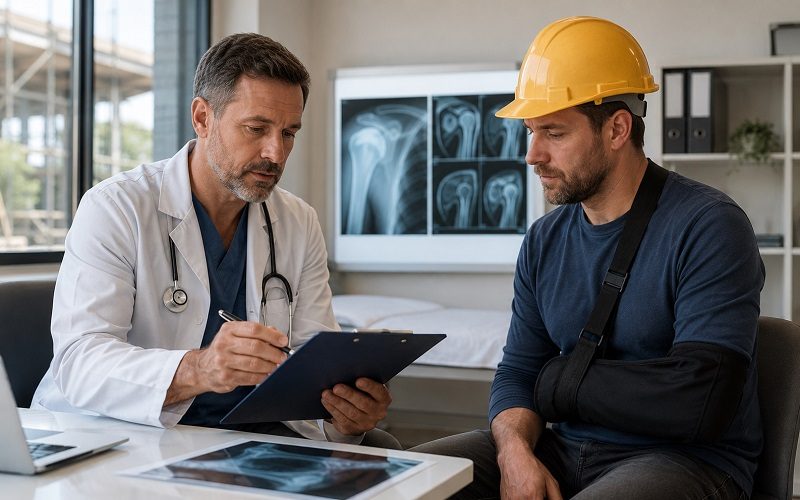
Workers’ compensation claims depend heavily on medical documentation.
The medical record should identify the injured body parts, diagnosis, recommended treatment, physical limitations, and whether the employee can return to regular duties. Diagnostic testing may provide additional information, but the physician must also understand how the injury affects the worker’s actual job.
An ironworker should accurately explain duties such as climbing, carrying materials, working at elevation, welding, gripping tools, or performing repeated heavy lifting. A generic job description may not reflect the physical demands of the position.
Previous injuries should also be disclosed. A history of back, knee, shoulder, or other treatment does not automatically mean a new workplace injury is unrelated to employment.
For example, a worker may have previously experienced back discomfort but continued working without restrictions. If a later jobsite accident causes new symptoms, additional treatment, or an inability to perform normal duties, the medical evaluator should consider what changed after the new injury.
An Ironworker Injury Lawyer can review whether the medical evidence reflects both the accident and the employee’s actual work requirements.
Workers’ Compensation Can Help During Recovery
California workers’ compensation is designed to provide medical treatment for work-related injuries and partially replace wages when an employee cannot perform the usual job while recovering.
Depending on the circumstances of an accepted claim, benefits may include medical treatment, temporary disability payments, permanent disability benefits, and supplemental job displacement benefits.
Temporary disability may become important when an ironworker cannot return to regular duties because of medical restrictions. Permanent disability may apply when an injury leaves lasting impairment after the worker’s condition has stabilized.
Medical treatment must also address the effects of the work injury. California DWC guidance explains that reasonable treatment may include care needed to cure or relieve the effects of a work-related injury.
An Ironworker Workers’ Compensation Lawyer can review disputes involving treatment authorization, disability payments, permanent impairment, medical evaluations, and return-to-work issues.
A Claim Can Be Challenged Even After a Serious Accident
A visible jobsite accident does not prevent a workers’ compensation dispute.
An insurance carrier may question whether a particular injury resulted from work, argue that a previous medical condition caused the worker’s symptoms, challenge recommended treatment, or dispute whether the employee remains unable to perform regular duties.
Disagreements may also involve which body parts were injured. A worker who falls may initially report the most painful injury while symptoms involving another body part become clearer later.
Medical records, accident reports, witness statements, diagnostic testing, work restrictions, and descriptions of the worker’s duties can become important when these questions arise.
An Ironworker Accident Lawyer can review why a claim or benefit was challenged and whether the supporting medical and factual information is complete.
A denial does not necessarily end a California workers’ compensation claim. The state system includes procedures for resolving disputes between injured workers and claims administrators.
Returning to Ironwork Depends on Medical Restrictions
Returning to work after an injury involves more than determining whether an employee feels somewhat better.
Ironwork can require strength, balance, mobility, climbing, lifting, gripping, and safe movement around structural materials. Restrictions involving any of these activities can affect whether the employee can perform the regular job.
A physician may release an injured worker to modified duties while restricting certain physical activities. In other cases, an employee may remain unable to return while additional treatment or recovery is necessary.
The medical report should clearly describe what the worker can and cannot safely do.
An Injured Ironworker Lawyer can review disputes involving temporary restrictions, permanent limitations, modified work, or an employee’s ability to return to the trade.
When a workplace accident causes severe and lasting impairment, additional issues may also be relevant to a catastrophic injury claim.
Speak With an Ironworker Injury Lawyer
A serious ironworker injury can lead to medical treatment, missed work, physical restrictions, or disagreement with the workers’ compensation carrier. The claim should accurately reflect what happened at work and how the injury has affected the employee.
California Workers Comp Law Firm handles workers’ compensation matters involving structural steel work, construction accidents, workplace falls, equipment injuries, cumulative trauma, and disputed benefits.
Attorney Mak can review the accident, medical records, work restrictions, claim status, and issues raised by the insurance company. Contact California Workers Comp Law Firm to request a case evaluation.
Important Resources
- California safety regulations address structural steel erection, including steel erection activities, falling objects, and fall-protection requirements. Cal/OSHA Title 8 § 1710
- California law recognizes specific injuries caused by individual incidents and cumulative injuries caused by repetitive work activities. Labor Code § 3208.1
- DWC explains the workers’ compensation process for employees injured on the job, including reporting injuries and obtaining benefits. DWC Injured Worker Guidance
- DWC explains temporary disability benefits when a work injury prevents an employee from performing the usual job while recovering. Temporary Disability Benefits
- DWC provides information about medical treatment available for work-related injuries and illnesses. Workers’ Compensation Medical Care
Reviewed by Attorney Mak
Workers’ Compensation Attorney
Attorney Mak assists injured workers with California workers’ compensation claims, including construction accidents, ironworker injuries, workplace falls, denied benefits, medical treatment disputes, and related workers’ compensation matters.
Get A Free Consltation
Fill out the form below and one of our injury specialists will contact you shortly

