
Construction Injury Lawyer for Injured Workers
Construction Accident Lawyer
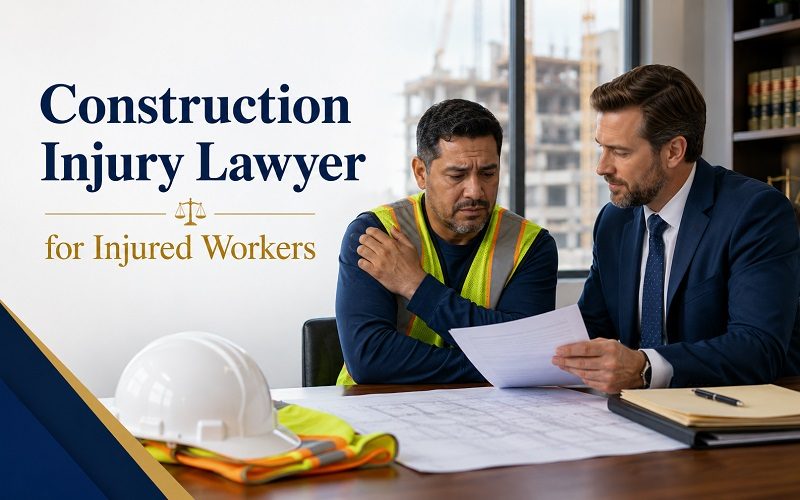
A construction site can look completely different by the time an injured worker returns. Materials may be moved, damaged equipment repaired, temporary barriers removed, and another crew assigned to the area. A Construction Injury Lawyer must act quickly because the condition of the site often helps explain how the injury occurred.
California Workers Comp Law Firm assists employees injured by falls, moving vehicles, electrical contact, collapsing materials, defective tools, and physically demanding work. A claim may involve workers’ compensation benefits as well as the possible responsibility of a contractor, property owner, equipment company, driver, or another outside party.
Preserve Evidence Before the Site Changes
Evidence at a construction site can disappear quickly. Photographs, surveillance footage, daily reports, inspection records, delivery tickets, witness details, and damaged equipment may establish where the employee was standing, what task was underway, and which safety measure failed. Clothing, tools, and protective equipment should also be preserved when they help show the force or direction of an incident.
A fall requires close review of the ladder, scaffold, work surface, access point, and fall-protection system. Cal/OSHA requires construction employers to establish and maintain an effective Injury and Illness Prevention Program and adopt a written Code of Safe Practices related to their operations.
When scaffolding is involved, the investigation should identify who erected, inspected, moved, and controlled the platform. The same attention is necessary when severe trauma results in a catastrophic injury that affects mobility, independence, or the ability to return to work.
Your Trade Defines the Injury Evidence
The words “construction worker” do not describe the physical demands of a particular job. A roofer carries materials near open edges. A concrete worker lifts forms and spends hours bent forward. An electrician works overhead in confined spaces. A laborer moves debris across uneven ground.
Medical records should describe the task, tool, weight, posture, pace, and duration involved. General language such as “hurt while working” may not show why a particular movement or exposure caused the injury.
Heavy equipment creates a different evidence trail. Operator training, inspection sheets, load records, maintenance history, alarm systems, and traffic-control plans may become important after a forklift incident. Similar records matter when a delivery truck, crane, excavator, or loader strikes a worker or causes materials to shift unexpectedly.
One Accident or Months of Physical Strain
California Labor Code §3208.1 recognizes specific injuries caused by one incident or exposure and cumulative injuries caused by repetitive traumatic activities over time. A sudden fall may fit the first category. Back, knee, shoulder, hand, or wrist damage caused by months of lifting, kneeling, gripping, vibration, or overhead work may fit the second when medical evidence connects the condition to employment.
The history must be developed differently for each type of claim. A specific injury requires a clear account of the event and every affected body part. A cumulative claim requires details about duties performed over time, symptom progression, work schedules, and when the employee understood that the job contributed to the condition.
Repeated gripping, tool use, and vibration may also lead to carpal tunnel syndrome. Evidence should show how often the task was performed, how much force it required, and whether the employee had meaningful recovery time during the shift.
Treatment Must Match the Diagnosis
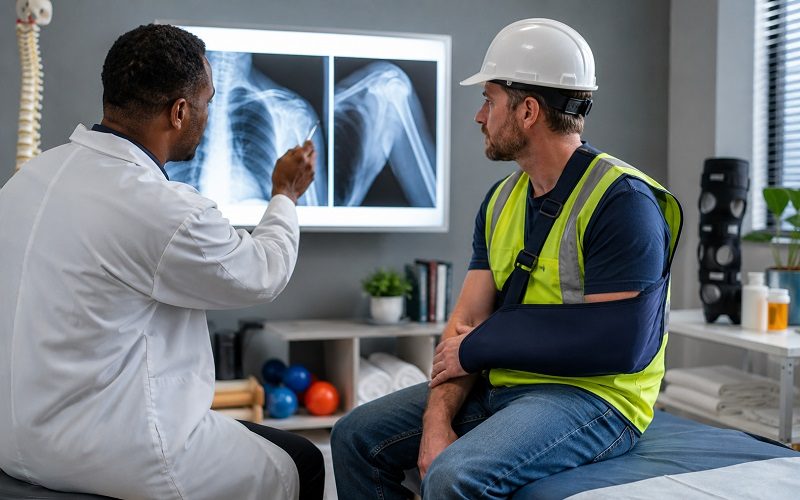
California Labor Code §4600 requires employers to provide treatment reasonably necessary to cure or relieve the effects of a compensable injury. Construction injuries may require imaging, medication, physical therapy, specialist care, injections, surgery, medical equipment, or follow-up treatment.
The medical report should connect each recommendation to the diagnosis and explain the worker’s current limitations. It should also address whether the job caused a new condition or aggravated a pre-existing injury that had previously been stable or manageable.
An attorney should also review whether proposed modified work is medically suitable. A vague “light duty” label offers little protection when the assignment still involves climbing, uneven surfaces, dust, vibration, driving, or repeated lifting. The actual duties must remain within the treating physician’s restrictions throughout the shift.
Several Companies May Share Responsibility
Construction sites bring together property owners, general contractors, subcontractors, equipment suppliers, delivery companies, and temporary labor providers. Workers’ compensation may provide employment-related benefits, while California Labor Code §3852 preserves an employee’s right to pursue damages against a person other than the employer when that outside party caused the injury.
A Construction accident lawyer examines site-control records, contracts, equipment ownership, maintenance duties, and witness statements to identify the parties that may share responsibility. A defective machine may place an equipment company under scrutiny, while a vehicle collision may involve a driver and commercial employer.
Workplace fires, hot materials, electrical events, and chemical contact may also produce serious burns. These incidents can require photographs, product information, safety records, protective-equipment evidence, and detailed medical documentation. Workers exposed to corrosive substances may also need evidence specific to a chemical burn injury.
Modified Work Must Respect Medical Restrictions
Returning to the site is not only a scheduling decision. A worker restricted from lifting, climbing, kneeling, overhead activity, prolonged standing, or operating machinery should not be placed in a position that quietly requires the same physical demands under a different title.
The employee should keep written job offers, job descriptions, work-status reports, and messages about modified duty. If the assigned work exceeds the restrictions, the employee should document the actual tasks and report the issue instead of relying only on a verbal conversation.
When the Claim Is Disputed
An insurance carrier may question whether the injury happened at work, whether the employee reported it promptly, or whether the requested treatment is related to the incident. It may also argue that earlier symptoms, age, or activity outside work caused the condition.
The response depends on the evidence. Medical findings, witness statements, photographs, schedules, inspection records, and a complete account of the job can help correct an incomplete claim file. When outside companies are involved, preserving contracts and site-control documents can also be important.
Speak With a Construction Injury Lawyer
California Workers Comp Law Firm can review the site evidence, medical records, work restrictions, insurance notices, and the involvement of outside companies. A Construction accident lawyer can also assess whether defective equipment, another contractor, a property owner, or a negligent driver supports a separate third-party claim.
Request a case evaluation from California Workers Comp Law Firm to discuss the injury, the benefits in dispute, and the evidence that should be protected.
Important Resources
- California law defines specific and cumulative workplace injuries. California Labor Code §3208.1
- Employers must provide treatment reasonably required to cure or relieve a compensable injury. California Labor Code §4600
- California law preserves claims against responsible parties other than the employer. California Labor Code §3852
- Cal/OSHA requires construction employers to maintain an effective injury and illness prevention program and written safe-practices code. California Code of Regulations, Title 8, §1509
Reviewed by Attorney Mak
Workers’ Compensation Attorney
Attorney Mak reviews workers’ compensation content for California Workers Comp Law Firm. The firm assists California employees with construction injury claims, denied benefits, third-party accident issues, and other work-related injury matters.
Get A Free Consltation
Fill out the form below and one of our injury specialists will contact you shortly

