
Utility Worker Injury Lawyer in
California
Electrical Worker Injury Lawyer
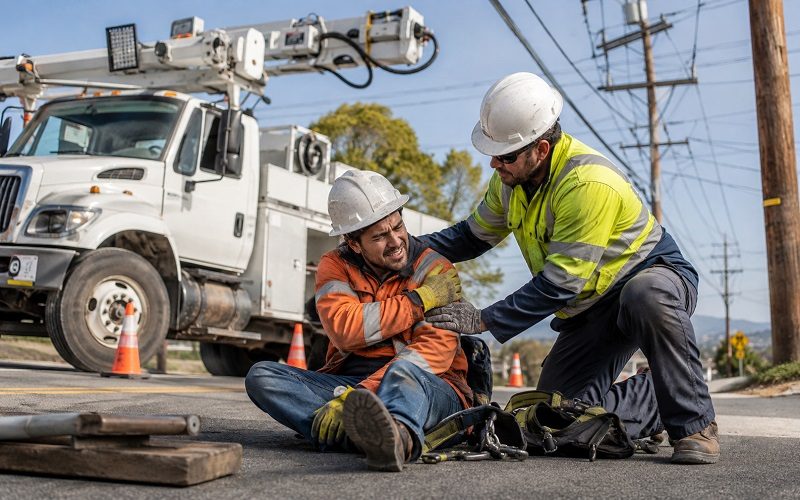
Utility employees work around electrical systems, elevated equipment, underground infrastructure, heavy tools, traffic, and changing outdoor conditions. A single mistake, equipment failure, vehicle collision, or unexpected contact with an energized source can cause injuries that require emergency care and extended time away from work.
A Utility Worker Injury Lawyer can review how the accident occurred, what job duties were being performed, whether all injuries were documented, and how the insurance carrier is handling treatment and disability. California Workers Comp Law Firm represents California employees dealing with occupational injuries, denied benefits, medical disputes, and return-to-work problems.
Electrical Work Can Produce Severe Injuries in Seconds
Electric utility employees, lineworkers, technicians, and other electrical workers may perform duties around energized equipment, power lines, substations, transformers, utility poles, and service connections. Electrical contact can cause shock, burns, falls, neurological injuries, and other serious harm.
California safety rules include specific precautions for work performed near energized high-voltage lines. The circumstances of an accident should be reviewed carefully because the location of the line, equipment in use, work assignment, and protective measures may all help explain what happened.
An Electrical Worker Injury Lawyer can examine incident reports, photographs, witness statements, safety records, equipment information, and medical documentation when electrical contact is disputed.
Workers who experience electric shock or electrocution-related harm may also need to document issues addressed in an electrocution injury claim, including the source of electrical contact and the resulting medical conditions.
Burns May Extend Beyond the Visible Skin Injury
An electrical event can produce burns at the point of contact, but the visible injury may not tell the complete medical story. Utility workers can also suffer thermal burns from fires, explosions, hot equipment, or other hazards encountered during repair and maintenance work.
Medical providers should receive a clear description of the event, including whether there was electrical contact, an arc, flame, fall, loss of consciousness, or another mechanism of injury. Treatment records should identify all affected body parts and any symptoms that appeared after the incident.
Serious workplace burn injuries may require wound care, specialist treatment, surgery, rehabilitation, or monitoring for scarring and functional limitations.
A Utility Worker Injury Lawyer can review whether the insurance claim accounts for the full medical consequences rather than focusing only on the first visible injury.
Working Above Ground Adds Another Layer of Risk
Utility work frequently requires employees to climb poles, use ladders, work from elevated platforms, or access equipment at height. A fall can cause fractures, shoulder injuries, head trauma, spinal injuries, or injuries to several body parts at once.
The investigation should identify why the fall occurred. Relevant evidence may include the condition of climbing equipment, work platform, personal protective equipment, weather, surface conditions, task instructions, and witness accounts.
Some utility projects also overlap with construction activities such as trenching, installation, excavation, equipment placement, and infrastructure upgrades. Workers injured during these operations may face issues similar to those involved in a construction injury claim.
Photographs and incident reports should be preserved quickly when the worksite is likely to change after repairs are completed.
Driving Between Worksites Can Be Part of the Injury Record
Utility employees may travel between service locations, emergency calls, repair sites, substations, or construction projects throughout a shift. Vehicle collisions can result in neck, back, shoulder, knee, and head injuries even when the employee was not performing electrical work at the moment of impact.
The claim record should identify where the employee was traveling, the purpose of the trip, who owned the vehicle, and what duties were being performed.
Medical symptoms may also develop after the crash rather than immediately at the scene. Back pain accompanied by weakness, numbness, or radiating symptoms may require further evaluation for conditions such as a herniated disc injury.
A California Utility Worker Injury Lawyer can compare vehicle records, dispatch information, accident reports, medical findings, and employment documents when questions arise about whether the accident occurred in the course of work.
Heavy and Repetitive Duties Can Cause Gradual Conditions
Not every utility injury results from a dramatic accident. Carrying tools, climbing repeatedly, handling cable, operating equipment, digging, working in awkward positions, and performing repetitive hand or shoulder movements can gradually affect the body.
California Labor Code §3208.1 recognizes both specific injuries arising from a single incident or exposure and cumulative injuries resulting from repetitive mentally or physically traumatic activities over time.
A worker with gradually worsening shoulder, back, knee, or hand symptoms should describe the actual physical demands of the job. The medical history should include how often tasks were performed, what equipment was handled, and how symptoms changed over time.
An Electrical Workers’ Compensation Lawyer can review whether a cumulative injury claim accurately describes the employee’s duties instead of relying only on a broad job title.
Medical Treatment Should Match the Injury and the Job
California Labor Code §4600 requires employers to provide medical treatment reasonably necessary to cure or relieve the effects of a compensable work injury. Depending on the condition, treatment may include emergency care, diagnostic testing, medication, physical therapy, specialist evaluation, surgery, or other medically appropriate care.
California’s workers’ compensation system also uses utilization review to evaluate treatment requested by the treating physician. Medical treatment disputes can involve separate review procedures when recommended care is delayed, modified, or denied.
A Utility Worker Workers’ Compensation Lawyer can examine whether the treating physician received a complete accident history and whether the medical reports accurately describe the physical demands of utility work.
Workers should keep copies of diagnostic reports, treatment requests, authorization decisions, work-status notes, and communications from the claims administrator.
Returning to Utility Work Requires Realistic Restrictions
A utility worker may be restricted from climbing, lifting, driving, reaching overhead, working near electrical hazards, using one arm, or remaining in certain physical positions for long periods.
Those restrictions need to match the actual assignment. Calling a position “modified duty” does not make it medically appropriate if the employee is still expected to climb, carry equipment, work outdoors, operate machinery, or perform tasks prohibited by the treating physician.
California DWC explains that return-to-work decisions involve the treating physician, employer, claims administrator, and injured worker. The doctor needs information about both the employee’s medical condition and the duties the employer can provide.
A Utility Workers’ Rights Lawyer reviewing a workers’ compensation matter can identify whether a disagreement concerns medical restrictions, benefit entitlement, or a separate employment issue that may require different legal analysis.
Insurance Carriers May Dispute the Cause or Extent of the Injury
A claims administrator may question whether electrical contact occurred, whether a fall caused the diagnosed condition, or whether later symptoms are connected to the original accident. A carrier may also accept some body parts while disputing others.
Pre-existing arthritis, an earlier back injury, prior shoulder treatment, or another medical condition may also become part of the dispute. Earlier medical problems do not automatically determine what caused a worker’s current need for treatment or disability.
The medical evaluator may need to compare the employee’s condition before and after the workplace incident. Accident reports, witness statements, photographs, equipment records, diagnostic studies, and job-duty descriptions can help establish a more complete timeline.
When an accident causes permanent neurological damage, severe burns, spinal trauma, or multiple major injuries, additional issues may arise in a catastrophic workplace injury claim.
Evidence Can Disappear Quickly After an Emergency Repair
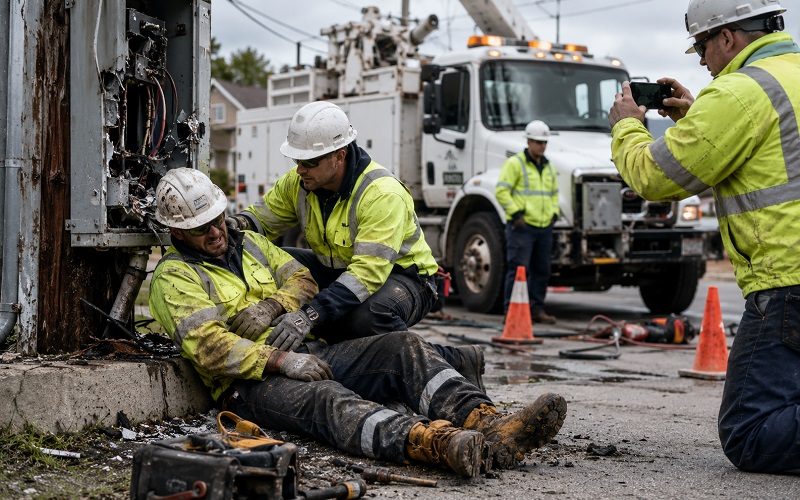
Utility incidents often require immediate action to restore service or secure the worksite. Damaged equipment may be repaired, electrical systems may be altered, and temporary conditions can disappear within hours.
Workers should report the injury promptly and preserve available photographs, witness names, incident reports, equipment information, work orders, dispatch records, medical reports, and written work restrictions.
California DWC advises employees to report work injuries as soon as possible. Failure to report an injury within 30 days can place workers’ compensation benefits at risk, although notice issues depend on the circumstances.
A detailed record can become important when an insurer later challenges where, when, or how the injury occurred.
Legal Review Can Bring the Claim Record Together
Utility injury claims can involve technical workplace conditions and complicated medical evidence. The claim may need to explain electrical contact, a fall, equipment failure, repetitive work, a vehicle collision, or several causes operating together.
A Utility Worker Injury Lawyer can review the accident evidence, medical records, treatment decisions, job duties, work restrictions, and insurance response. Legal review may also address disability benefits, medical evaluations, denied claims, return-to-work disputes, and hearings within California’s workers’ compensation system.
California Workers Comp Law Firm assists electrical and utility employees with work-related accidents and occupational injuries. Contact the firm to request a case evaluation and discuss the evidence relevant to your claim.
Important Resources
- California recognizes both specific workplace injuries and cumulative injuries caused by repetitive work activities. California Labor Code §3208.1
- Employers must provide treatment reasonably necessary to cure or relieve the effects of a compensable work injury. California Labor Code §4600
- California DWC explains injury reporting, medical care, disability benefits, and the workers’ compensation claims process. DWC Injured Worker Guidance
- California DWC explains how medical treatment is reviewed and authorized within the workers’ compensation system. DWC Medical Care Guidance
- California safety regulations address precautions for work performed near energized high-voltage lines. California Code of Regulations, Title 8, §2946
Reviewed by Attorney Mak
Workers’ Compensation Attorney
Attorney Mak reviews workers’ compensation content for California Workers Comp Law Firm. The firm assists California employees with electrical injuries, utility work accidents, denied benefits, medical disputes, disability issues, and other work-related injury matters.
Get A Free Consltation
Fill out the form below and one of our injury specialists will contact you shortly

