
Firefighter Injury Lawyer for Injured Firefighters
Firefighter injuries
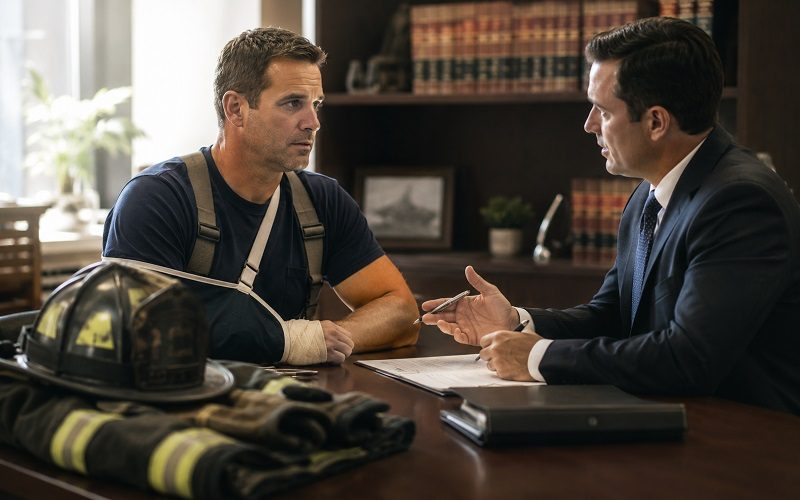
Firefighters face injury risks during emergency response, rescue, overhaul, training, apparatus travel, and station duties. A burn or fracture may be diagnosed immediately, while respiratory illness, heart complications, hearing loss, or repetitive strain may become apparent later. NIOSH identifies smoke, heat, hazardous materials, intense exertion, vehicle incidents, falling debris, and unstable environments among the dangers faced by structural and wildland firefighters.
A firefighter injury lawyer reviews the incident, medical history, exposure record, job duties, and California rules that may apply. California Workers Comp Law Firm assists firefighters and their families when medical treatment, wage benefits, permanent disability, or death benefits become disputed.
Some Injuries Appear After the Emergency Ends
A firefighter may finish a call believing that the main problem is exhaustion, soreness, or a minor burn. Hours later, breathing problems, chest symptoms, confusion, weakness, or severe muscle pain may develop.
NIOSH identifies cancer, heart disease, hearing loss, and rhabdomyolysis as important firefighter health concerns. Heat exposure, elevated body temperature, heavy protective equipment, and prolonged physical exertion can contribute to rhabdomyolysis, a serious condition that may damage the kidneys when it is not identified and treated promptly.
The medical history should describe the assignment, protective equipment, temperature, smoke conditions, physical demands, and time spent working. It should also identify every symptom and any fall, impact, chemical contact, or electrical event that occurred during the response.
One Call Can Cause Several Different Injuries
A structure fire can expose crews to heat, smoke, unstable floors, falling material, sharp debris, energized systems, and sudden changes in visibility. Wildland firefighters may also face burnovers, entrapment, prolonged smoke and dust exposure, heat illness, vehicle incidents, slips, falls, loud noise, and falling trees or debris.
The firefighter injury claim should reflect the complete event rather than only the most obvious diagnosis. A roof fall may cause spinal trauma as well as smoke inhalation. A hose-line operation may injure the shoulder, while a flashover can produce deep burns requiring surgery and extended rehabilitation.
Claims involving serious burns may require the medical and workplace evidence discussed in a workplace burn injury claim. When the harm permanently changes mobility, independence, or earning ability, the record may also need the long-term evidence used in a catastrophic injury case.
California Provides Special Presumptions for Some Firefighters
California Labor Code §3212 provides rebuttable presumptions involving heart trouble, pneumonia, and hernia for specified public, municipal, county, and state firefighting members who meet the law’s requirements. The presumption may continue after qualifying service for three months per full year of service, up to a maximum of 60 months.
California Labor Code §3212.1 addresses cancer, including leukemia, for listed active firefighting members. A covered firefighter must demonstrate exposure during service to a known carcinogen. The cancer is then presumed to arise from employment unless the employer or insurer successfully rebuts that presumption. The post-service extension can continue for three months per full year of qualifying service, up to 120 months.
These rules do not make every claim automatic. Job classification, active duties, diagnosis, exposure evidence, timing, and service history still matter. Medical and employment records should be collected early so the carrier evaluates the claim under the correct legal standard.
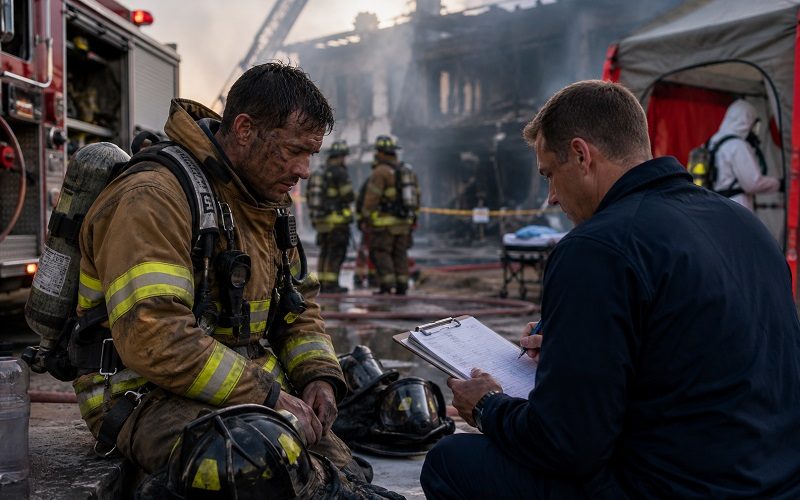
The incident report should identify the location, assignment, crew, apparatus, equipment, protective gear, and hazards encountered. Dispatch records, radio traffic, exposure reports, training logs, equipment inspections, photographs, witness statements, and medical records may help establish what happened.
For smoke or hazardous-material exposure, the record should explain what burned, how long the firefighter worked in the area, which respiratory protection was used, whether decontamination occurred, and when symptoms began. NIOSH reports that firefighters may encounter gases, vapors, particulates, and other hazardous substances, some of which are known or suspected carcinogens.
Long-term respiratory or occupational illness may also require a detailed history of asbestos and chemical exposure across multiple assignments or incidents.
A firefighter should report an injury or illness promptly. California DWC warns that failing to report within 30 days may place benefits at risk. The employer must provide or mail a DWC-1 claim form within one working day after learning about a qualifying injury or illness.
Benefits Should Match the Medical Consequences
California workers’ compensation may provide medical care, temporary disability payments, permanent disability benefits, supplemental job displacement benefits, return-to-work support, and death benefits for qualifying dependents. The benefits available depend on the diagnosis, wage loss, work capacity, permanent impairment, and circumstances of the case.
Modified duty must match the treating physician’s restrictions. A firefighter recovering from a shoulder injury may be unable to carry hose, climb ladders, force entry, or wear full protective equipment. Someone with cardiac or respiratory restrictions may not be medically ready for strenuous response, smoke exposure, or extended work in high heat.
The worker should keep medical reports, work-status notes, wage information, benefit notices, and written job offers. If the carrier denies the firefighter injury claim or limits treatment, the response should address the medical findings, exposure history, actual job duties, and any applicable statutory presumption.
When Equipment or Another Company Contributed
Some incidents involve more than the employing department. A defective breathing apparatus, failed ladder, unsafe vehicle component, negligent driver, property owner, contractor, or equipment manufacturer may have contributed to the injury.
California Labor Code §3852 preserves an employee’s right to pursue a responsible person or company other than the employer. A third-party case should be coordinated with the workers’ compensation matter because medical payments, disability benefits, reimbursement rights, and settlements may overlap.
Early investigation matters because equipment may be repaired, turnout gear cleaned, apparatus returned to service, and scene conditions changed before the cause is fully examined.
Speak With a Firefighter Injury Lawyer
California Workers Comp Law Firm can review the incident report, exposure evidence, medical record, benefit notices, work restrictions, and possible third-party responsibility. Early legal review can help identify the relevant statutory rule, preserve important records, and document how the injury or illness affects the firefighter’s career and family.
Contact California Workers Comp Law Firm to request a case evaluation and discuss the next steps for protecting the claim.
Important Resources
- California provides rebuttable presumptions involving heart trouble, pneumonia, and hernia for specified firefighting members. California Labor Code §3212
- California addresses cancer presumptions for listed active firefighting members who meet the statutory exposure requirements. California Labor Code §3212.1
- California DWC explains injury reporting, emergency treatment, claim forms, and workers’ compensation rights. Guidance for Injured Workers
- NIOSH explains occupational hazards and health conditions affecting structural and wildland firefighters. Firefighter Safety and Health
- NIOSH identifies smoke, heat, vehicle incidents, falls, and other wildland firefighting hazards. Wildland Firefighter Safety
- California preserves an employee’s right to pursue a responsible third party. California Labor Code §3852
Reviewed by Attorney Mak
Workers’ Compensation Attorney
Attorney Mak reviews workers’ compensation content for California Workers Comp Law Firm. The firm assists California employees with firefighter injuries, occupational illnesses, denied benefits, and other work-related injury matters.
Get A Free Consltation
Fill out the form below and one of our injury specialists will contact you shortly

