
Chemical Burn Injury Attorney in California
Chemical Burn Injury
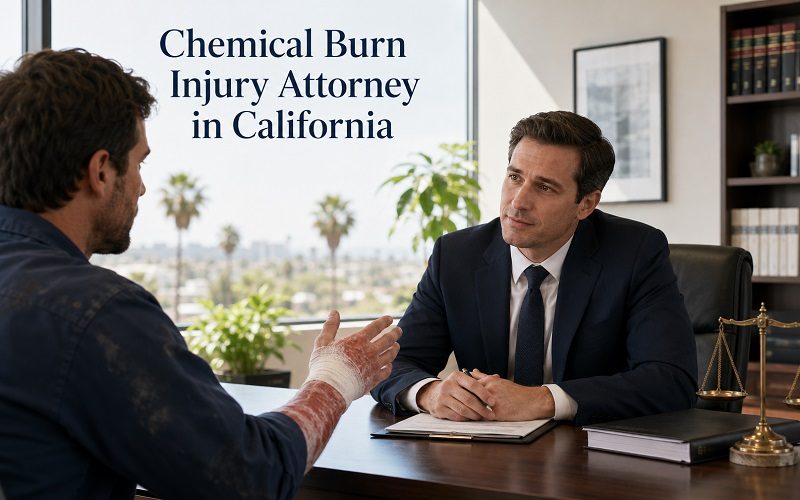
A leaking drum, an unlabeled cleaner, or a splash from a transfer hose can turn an ordinary shift into a medical emergency. Chemical burns do not always look severe at first. Damage may continue beneath the surface, while exposure involving the eyes or lungs can create problems that are not immediately visible on the skin.
A Chemical Burn Injury Attorney examines both the medical harm and the workplace conditions that allowed the exposure to occur. California Workers Comp Law Firm assists California employees facing medical treatment, wage loss, work restrictions, and insurance disputes after chemical contact on the job.
How Workplace Conditions Lead to Chemical Burns
Chemical burns occur far beyond laboratories. Janitors work with concentrated cleaners. Construction crews handle cement, solvents, adhesives, and coatings. Warehouse employees move containers that may leak or rupture. Mechanics, agricultural workers, healthcare staff, and manufacturing crews may also come into contact with corrosive substances.
The product name, concentration, length of contact, ventilation, protective equipment, and first response can all affect the severity of an injury. The label, condition of the container, work instructions, and witness accounts may also help explain how the exposure occurred.
Many workplace accidents leave physical evidence behind. A damaged hose, leaking container, stained clothing, photographs, incident reports, and surveillance footage can help show what happened before equipment is discarded or memories fade.
A Burn Can Change After the Shift Ends
A worker may notice immediate pain, redness, blistering, eye irritation, coughing, or shortness of breath. Other symptoms can develop over the following hours as tissue continues to react to the substance.
Medical care should not be delayed while the worker decides whether the burn is serious enough. Emergency help is appropriate for breathing difficulty, eye exposure, extensive burns, loss of consciousness, or other severe symptoms. When available, the product name or safety data sheet should be provided to medical staff because treatment can depend on the substance involved.
MedlinePlus also warns against trying to neutralize a chemical without guidance from a poison-control center or healthcare professional. It advises obtaining immediate medical assistance for breathing difficulties, seizures, unconsciousness, serious burns, and chemical exposure involving the eyes.
The medical record should identify the affected body parts, route of exposure, symptoms, treatment, and work limitations. A clear timeline helps connect the workplace event with the care that followed.
One Spill or Repeated Exposure
California law recognizes both specific and cumulative workplace injuries. A splash during one shift is a specific event. Repeated contact with cleaning agents, solvents, or other hazardous substances may produce a condition over time when medical evidence connects the harm to employment.
A single incident usually has a clear date and location. A repeated-exposure claim requires a fuller history of the products used, frequency of contact, protective measures, symptom progression, and when the worker learned that the condition was related to work.
Under Labor Code §3208.1, both types of injury can fall within California’s workers’ compensation system. A lawyer for chemical burn claims should make sure the claim form and medical history describe the actual exposure instead of reducing a long pattern to one vague date.
Employees who develop health problems through continued workplace contact may also need to document a broader history of asbestos or chemical exposure, including the products used and the duration of exposure.
The Safety Data Sheet Is More Than Paperwork
California’s Hazard Communication Standard requires employers to provide information about hazardous chemicals through a written program, labels, warnings, safety data sheets, and employee training. Employers must also maintain safety data sheets for hazardous chemicals used in the workplace.
An SDS can identify the substance, health hazards, recommended protective equipment, first-aid measures, and emergency procedures. It may also help show whether the worker received suitable gloves, goggles, respiratory protection, or training.
Missing labels, inaccessible safety information, damaged containers, poor ventilation, or inadequate training may help explain how unsafe workplace conditions led to the injury.
Treatment, Wage Loss, and Work Restrictions
California Labor Code §4600 requires an employer to provide medical treatment reasonably necessary to cure or relieve the effects of a compensable work injury. Care after chemical contact may include emergency treatment, wound management, eye care, medication, surgery, therapy, and monitoring for scarring or loss of function.
Workers’ compensation may also provide disability payments when the treating physician takes the employee off work or limits job duties. Restrictions should address the employee’s real position. A general statement such as “light duty” offers little protection if the assigned work still involves chemicals, fumes, tight gloves, outdoor heat, or repeated use of an injured hand.
California DWC advises employees to report an injury promptly. A failure to report within 30 days can place benefits at risk, although notice questions depend on the facts of the claim. Workers should keep the DWC-1 claim form, medical reports, work-status notes, photographs, and claim correspondence.
Treatment and documentation may become especially important when the exposure causes a serious workplace burn injury involving scarring, nerve damage, reduced movement, or permanent work restrictions.
When the Claim File Leaves Out Key Facts

An insurance carrier may accept that chemical contact occurred but dispute the severity of the burn, the need for treatment, or the relationship between later symptoms and the exposure. It may focus on an early photograph while overlooking eye complaints, breathing problems, infection, scarring, nerve symptoms, or reduced movement.
Legal counsel can compare the insurer’s version of events with the incident evidence and medical record. A lawyer for chemical burn cases may also request workplace documents, locate witnesses, and organize the available proof before a hearing or settlement discussion.
Workers whose benefits have been refused can challenge a denied workers’ compensation claim. When a formal dispute becomes necessary, the matter may proceed through California’s workers’ compensation system.
Another Company May Share Responsibility
Workers’ compensation is usually the first source of benefits after an on-the-job chemical burn, but it may not be the only legal issue. A defective container, incorrect label, malfunctioning valve, unsafe contractor, or dangerous product can place an outside company under scrutiny.
An attorney can review whether the evidence supports only a workers’ compensation case or also warrants investigation of a third-party claim. These matters should be coordinated carefully because medical expenses, benefit payments, and recoveries can overlap.
Returning to Work Requires More Than a New Job Title
Modified work should follow the treating physician’s restrictions. A worker recovering from hand burns may not be ready to grip tools, wear tight gloves, or handle wet chemicals. Someone with eye or respiratory symptoms may need to remain away from fumes and aerosols.
The job title matters less than what the employee will actually touch, lift, breathe, and repeat. Written offers, job descriptions, and messages concerning modified duty should be preserved.
California DWC explains that return-to-work decisions depend on the treating doctor’s report, the employee’s current medical condition, and the work the employer can make available.
Talk With a Chemical Burn Injury Attorney
California Workers Comp Law Firm can review the exposure history, medical treatment, work restrictions, safety documents, and insurance decision. The firm assists workers with chemical exposure claims, workplace burns, denied benefits, and related injury disputes.
Contact California Workers Comp Law Firm to discuss the exposure, identify the evidence that should be preserved, and learn what steps may be available under California workers’ compensation law.
Important Resources
- California recognizes specific and cumulative workplace injuries. California Labor Code §3208.1
- Employers must provide treatment reasonably required to cure or relieve the effects of a work injury. California Labor Code §4600
- California DWC explains injury reporting, medical care, wage-replacement benefits, and return-to-work support. DWC Injured Worker Guidance
- California’s Hazard Communication Standard addresses labels, safety data sheets, warnings, and employee training. California Code of Regulations, Title 8, §5194
- MedlinePlus provides first-aid and emergency guidance for chemical burns. Chemical Burn or Reaction
Reviewed by Attorney Mak
Workers’ Compensation Attorney
Attorney Mak reviews workers’ compensation content for California Workers Comp Law Firm. The firm assists California employees with chemical exposure claims, occupational diseases, denied benefits, and other work-related injury matters.
Get A Free Consltation
Fill out the form below and one of our injury specialists will contact you shortly

